
How a vegetable can help you cross the veil
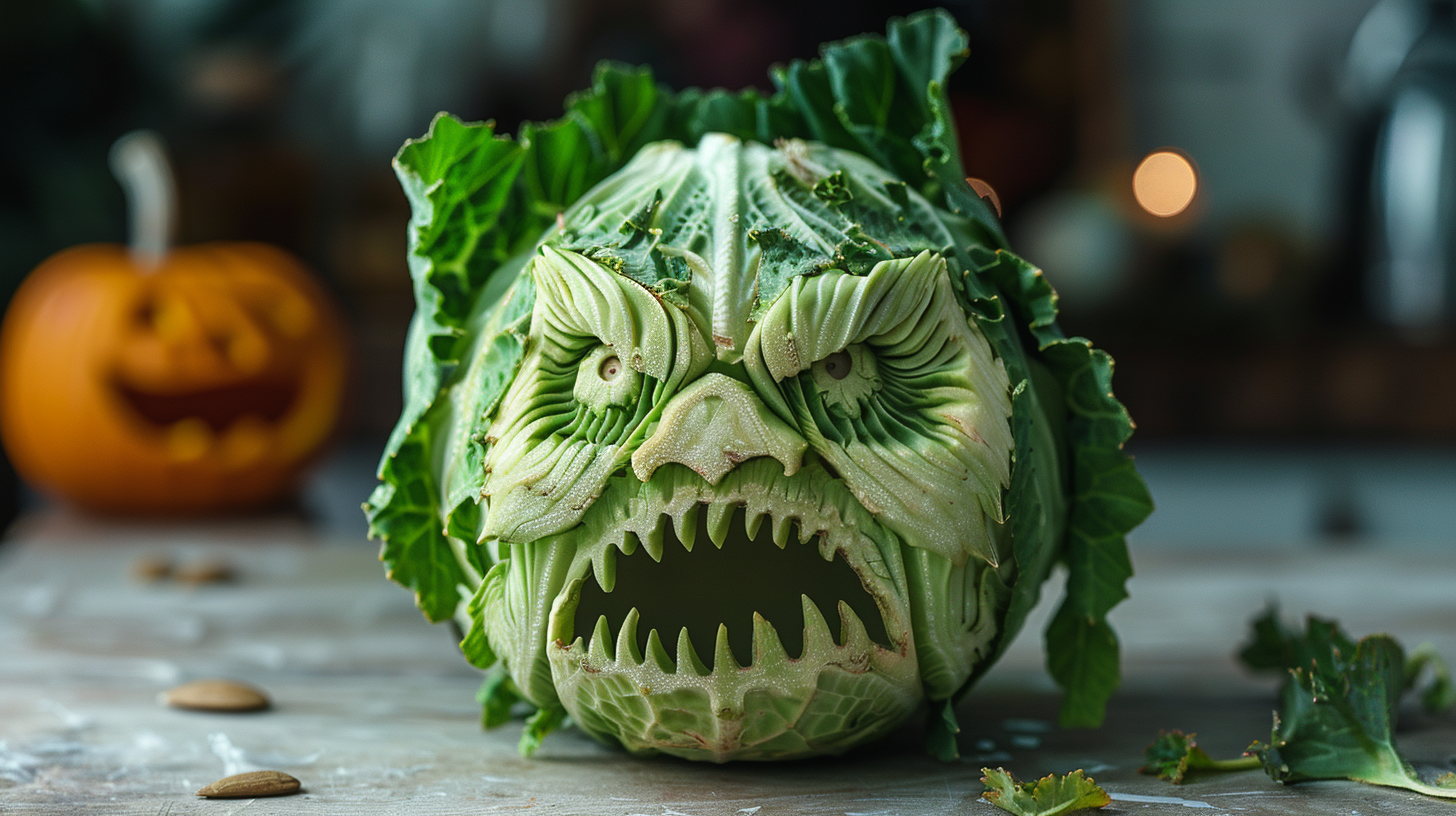
The supermarkets are stacking pumpkins next to multipacks of fireworks as we brace ourselves for the annual festival of sugar, silliness and spontaneous bin fires otherwise known as Halloween.
But long before Hollywood gave us plastic skeletons and inflatable witches, the Celtic world had already perfected the art of seasonal spookery — and they did it with cabbage.
Yes, cabbage.
In Ireland, Halloween was once better known as Colcannon Night, a time when families would mash together potatoes, cabbage, and (for the truly hedonistic) a generous blob of butter. Forget fancy dress — this was a festival of stodge and superstition.
The dish, colcannon, was more than dinner: it was a divination device, a kind of edible horoscope. Rings, coins or thimbles were sometimes hidden in the mash to predict who would marry, who would be rich, and who would remain tragically single with only a cabbage for company.
The name itself, according to the more fanciful etymologists, came from the Irish habit of pounding the cabbage with cannonballs. One can only imagine the state of the average kitchen ceiling after such festivities. More likely, “colcannon” comes from cál ceannfhionn, meaning “white-headed cabbage,” though personally I prefer to picture a household of jolly Celts whacking vegetables with bits of artillery. It makes for a better party game.
From this noble origin sprang a transatlantic diaspora of cabbage-based traditions. Irish emigrants carried Colcannon Night across the ocean to Newfoundland and Labrador, where it lived on for a while before dying out — perhaps from excessive butter consumption.
Across the border in New England, the idea morphed into Cabbage Night, a term for the evening before Halloween when young hooligans would hurl actual cabbages (and other refuse) at their neighbours’ doors. So, if you’re ever caught in a vegetable-related riot in Vermont, remember: it’s not vandalism, it’s heritage.
Even more curious is the romantic custom, once popular in Ireland, of wandering into a cabbage patch to pick your future spouse. Each uprooted plant symbolised a potential partner. A straight root foretold a virtuous mate; a crooked one suggested someone less ideal — perhaps the sort of person who still eats instant mash.
The modern dating apps could learn a thing or two. Swipe right for straight roots.
Meanwhile in Scotland and the North of England, the same night was called Nut-Crack Night, or more poetically, The Oracle of the Nuts.
Lovers-to-be would roast hazelnuts or chestnuts in the fire, each named for a sweetheart. If the nuts burned together, true love awaited; if they popped apart, heartbreak loomed. One wonders how many engagements were called off due to an overenthusiastic chestnut. Robert Burns wrote about this with typical Scottish stoicism: nuts might crack, hearts might break, but at least there was whisky.
These autumnal antics weren’t just quaint country pastimes. They were the remnants of Samhain, the Celtic new year, when the veil between the living and the dead was thought to grow thin — like a spiritual Wi-Fi connection that suddenly improves.
Fires were lit to keep away spirits (or to roast yet more chestnuts), and the ghosts of departed relatives might pop in for a spectral snack. In later Christian times, the festival became All Hallows’ Eve, which — after a few centuries of linguistic slippage and one meddling printing press — gave us Halloween.
Of course, the Americans got hold of it and did what they do best: added sugar and mass production. Thus was born Trick-or-Treating — a concept which still baffles the British.
When a small ghoul once appeared at my door demanding “Trick or Treat,” I said “Trick”, and he looked at me as if I’d just recited the Nicene Creed in Klingon. The poor child clearly hadn’t read Dame Curtsey’s Book of Party Pastimes for the Up-to-Date Hostess (1909), which included such wholesome diversions as pulling cabbages for love and making sandwiches shaped like ghosts.
So the next time you carve a pumpkin, spare a thought for your Celtic ancestors. They faced the long dark nights with nothing more than superstition, turnips, and an alarming enthusiasm for root vegetables. Forget plastic spiders — this was a people who divined their romantic futures by setting fire to legumes.
Halloween, at heart, is not about terror at all, but about transition — the shift from harvest to winter, from light to dark, from mashed potato to mysticism. And if you still feel a ghostly chill as you bite into your colcannon, don’t worry. It’s probably just the cabbage fighting back.
Perhaps this little foray into history will inspire the horror writers among you to take a fresh look at the art of scaring the pants off your readers.
Keith Rossiter is the author of three novels, including two (under the pseudonym Al Biscotti) which he hopes will scare some respect into children and teenagers. Click on the titles here to see more.
White Raven, a novel for young adults
Shadow Lands, the Poacher’s Trap, a novel for middle-grade readers.